Horse Riding in Agadir: Three Near-Identical Rides at €19, €20 and €150
Updated September 24, 2026 · 7 min read
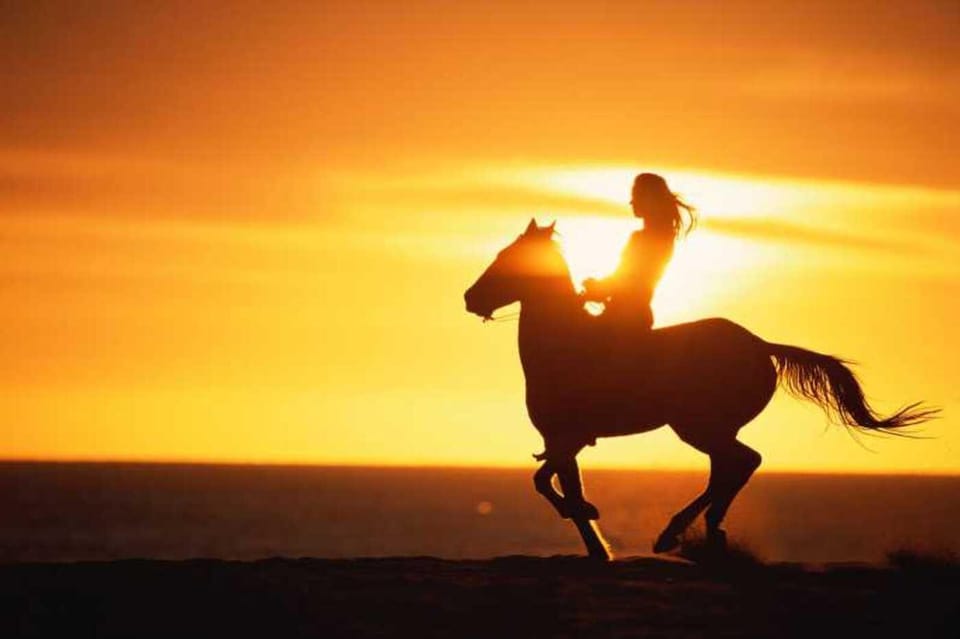
Horse riding is the one Agadir activity where the price tells you almost nothing. Three of the rides in our stock last between one and two hours, all three collect you from your hotel, and they cost €19, €20.04 and €150.
That is not a misprint, and the expensive one is not the worst reviewed. It has the most reviews of any horse ride here — 890 of them, averaging 4.6. So the useful question is not which is cheapest, but what the difference actually is.
The three rides, as their own listings describe them
€19 — Agadir Touareg Trails, 4.4 from 251 reviews. Listed at one hour, pickup included, out into the dunes behind the city.
€20.04 — MIZIZIL Tour, 4.3 from 216 reviews. Listed at two hours, pickup included, along the river where the flamingos stand in winter, with mint tea at the end. A traveller who rode it in September 2026 describes tea and biscuits afterwards and professional photographs offered as a paid extra.
€150 — Amodoucheval, 4.6 from 890 reviews. Pickup from Taghazout, Tamraght or Anza, a ride on the beach at Aourir, a group capped at eight people, guides working in English and French, free cancellation up to 24 hours before.
What the seven-times price actually buys
Three things, and it is worth knowing which of them you care about.
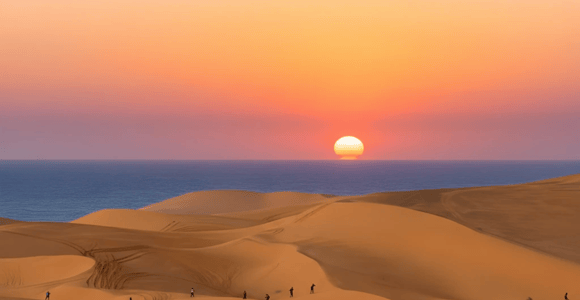
The coast instead of the dunes. The cheap rides go inland from the city, into the dune and eucalyptus country by the Souss river. The expensive one rides on open Atlantic beach at Aourir, which is the picture people have in their heads when they book a horse in Morocco.
A small group. Eight riders is a cap written into the listing. The inland rides do not publish a group size, and the reviews describe larger, slower strings of horses.
Transfers from the surf villages. If you are staying in Taghazout or Tamraght rather than in Agadir, the cheap operators’ “pickup included” usually means Agadir hotels. The expensive one names those villages explicitly.
What the money does not buy is the longest time on the horse: the full two hours belong to the €20.04 ride by the river, not to the expensive one on the beach.
Read the duration field, not the title
The 890-review listing is called a 2-Hour Horseback Ride on the Beach. GetYourGuide’s own duration field for it says 1 h 30 m, and its itinerary breaks the day down as fifteen minutes in the van, ninety minutes riding, fifteen minutes back.
Nothing is being hidden — both numbers are on the same page — but the title is the thing people read. At the other end of the range the duration field simply says one hour, even though the description talks about endless dunes. On every horse ride here, the duration field is the honest number.
Where you are actually riding
Aourir and Banana Beach, twenty minutes north, is the wide open sand. It is also where the wind arrives first: on this coast the afternoon breeze builds almost every day, which is why the popular slots are sunrise and the last two hours of light.
The Souss river mouth, at the southern edge of the city, is the quieter version — sand, eucalyptus, and in winter the flamingos that the Souss-Massa trips go looking for further south. This is where most of the cheap rides go.
Tamri, further up the coast, turns up in one listing as a ride combined with a photoshoot. It is a long transfer for a short ride, and worth it only if the photographs are the point.
Before you get on
Nobody sells a horse ride on its safety notes, so these are the things to look at yourself.
Ask about helmets. The three listings above set out what is included — transfers, the ride, tea — and none of them mentions a riding hat. If you want one, ask before you book rather than in the saddle.
Say plainly that you have never ridden. These are handler-led rides and that is normal here; the guide walks with the horse, and on the busier trips a second handler helps people mount. One reviewer of the river ride needed a push up and got two. Nobody minds. What causes problems is a beginner who says they can ride.
Look at the horses for thirty seconds before you commit. Ribs and hip bones visible at a glance, open sores under the girth or bridle, a string standing saddled in full midday sun — any of those, and you are entitled to walk away and ask for the free cancellation you booked. The good operators here are used to being looked at.
Choose the early or late slot in summer. Between June and September the middle of the day is hard on the horses and unpleasant on you, and the coastal wind makes late afternoon the better of the two ends.
What you pay on the day
The €150 listing states that tips are not included, which in Morocco means they are expected in cash for the handler who walks beside you. On the cheap rides, the photographs that everyone ends up wanting are usually an extra, settled on the spot.
Bring dirhams in small notes for both. Nobody on a beach has change for a 200-dirham note, and no stable takes a card.
Which one to book
You want the photograph on the beach: the Aourir ride, and take the sunrise slot — the coast is calm then and the light does the work.
You want a horse under you for an hour and don’t care where: either of the €19–20 rides by the river. Same activity, a seventh of the price, and the tea at the end is not a gimmick.
You are travelling with children: ask the operator directly what they allow. None of these three listings publishes a minimum age, and for a handler-led walk the answer usually depends on the child rather than on a number.
You have already booked a camel: ride a horse instead of adding a second one. The camel rides cover the same dunes at a slower pace, and doing both in one week is the most common way people here spend money twice on one landscape — which is also true of the animal trips as a whole.